The RSEGP-2026 Conference Proceedings will be published in EDP Sciences – E3S Web of Conferences , a SCOPUS-indexed publication.
Explore publication detailsThe Renewable & Sustainable Energies and Green Processes (RSEGP) conference series began in 2015 as an annual national workshop organized at the University of Gabes, Tunisia.
In 2021, RSEGP evolved into an international conference. Following five successful international editions from 2021 to 2025, RSEGP 2026 continues to bring together researchers and industry representatives.
The conference provides a platform to discuss the latest research, technological advances and practical solutions for a more sustainable future.

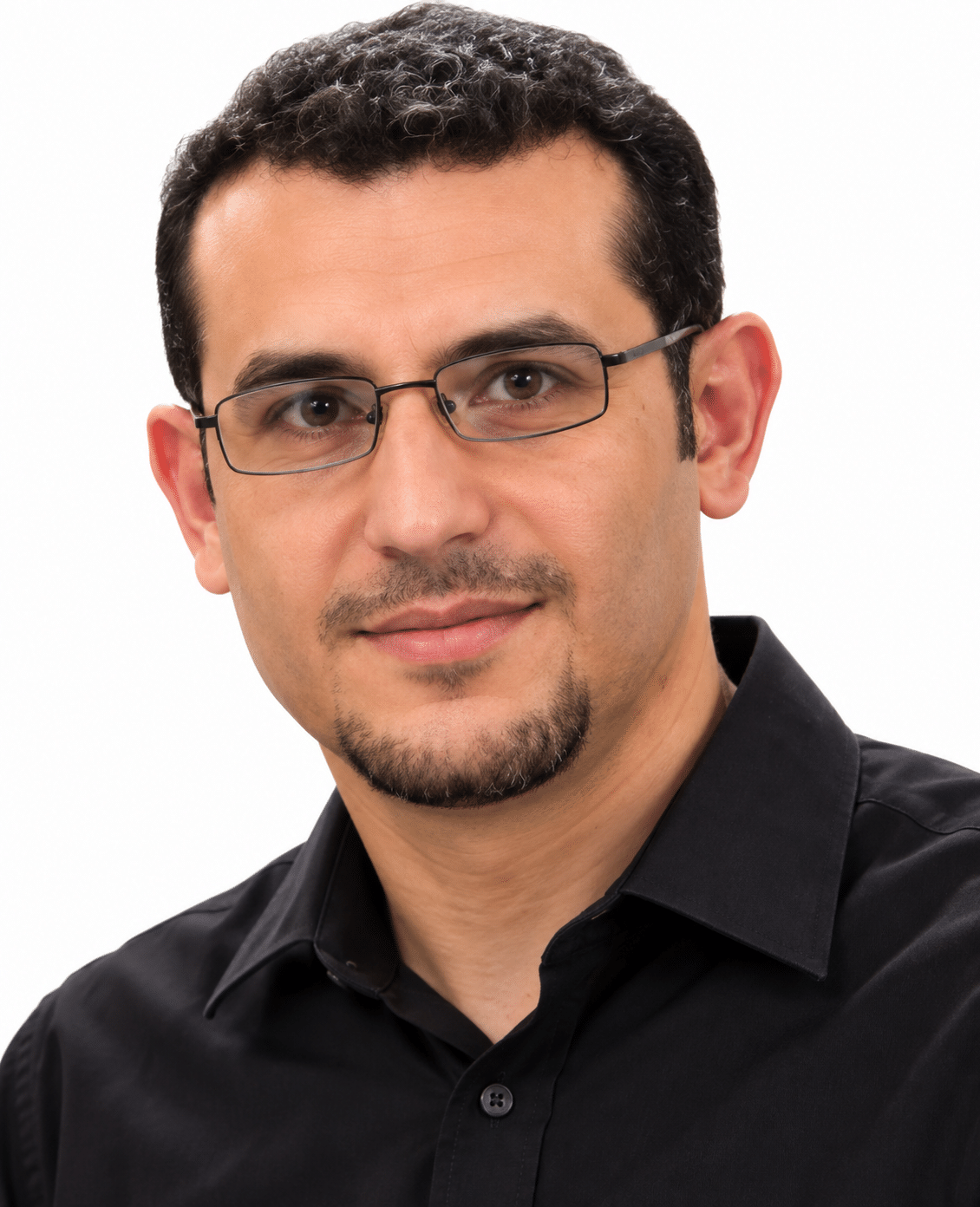
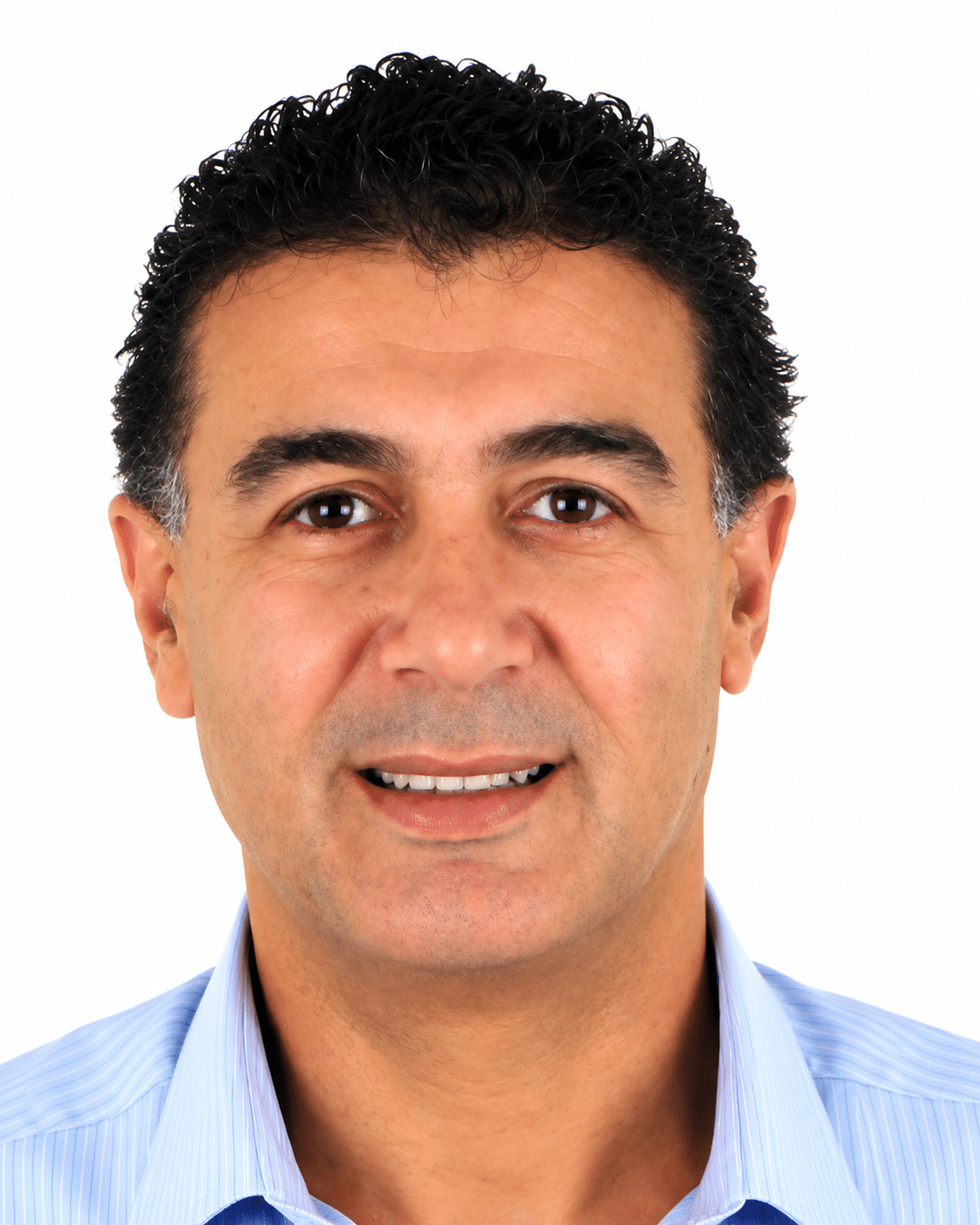
Hatem Dhaouadi est Professeur de Génie Chimique à la Faculté des Sciences de Monastir (FSM), Université de Monastir. Titulaire d’un doctorat en Génie des Procédés de l’Institut National Polytechnique de Lorraine (INPL, France) obtenu en 1997, il a obtenu une Habilitation universitaire en Chimie à l’Université de Monastir en 2009, puis une Habilitation à Diriger des Recherches (HDR) en Sciences et Technologies Industrielles à l’Université Paul Cézanne d’Aix-Marseille en 2011. Il est Professeur de Génie Chimique depuis 2017, après avoir exercé plusieurs fonctions d’enseignement et de recherche en chimie et en génie chimique.
Il est le fondateur et directeur du Laboratoire de Chimie de l’Environnement et des Procédés Propres (LR21ES04) depuis 2021, après avoir dirigé l’Unité de recherche Chimie Appliquée Environnement (UR13ES63) de 2015 à 2021. Ses activités de recherche portent notamment sur la chimie de l’environnement, les procédés propres, l’éco-extraction et la valorisation de ressources végétales, les fluides supercritiques, la teinture textile durable, l’analyse du cycle de vie et la modélisation moléculaire.
Ses travaux ont donné lieu à plus de 80 publications scientifiques et à une quarantaine de communications internationales. Il a encadré de nombreuses thèses et mastères. Fondateur et président de l’Association Tunisienne des Technologies Durables (ATuTeD), il a également présidé plusieurs congrès internationaux, dont l’ICACE.
Le CO₂ supercritique au service de procédés textiles durables : de l’éco-extraction à la teinture sans eau, de l’ACV aux applications industrielles
L’industrie textile demeure fortement consommatrice d’eau, d’énergie et d’auxiliaires chimiques, en particulier lors des opérations de préparation et de teinture. Dans ce contexte, le CO₂ supercritique constitue un milieu de procédé particulièrement intéressant pour développer des technologies textiles plus sobres et limiter la production d’effluents aqueux.
Cette conférence présentera les fondements thermodynamiques et de transfert de matière qui gouvernent l’utilisation du CO₂ supercritique, puis leur mise en œuvre dans deux approches complémentaires : l’éco- extraction de molécules colorantes à partir de biomasses végétales et la teinture textile en milieu supercritique. Les résultats obtenus sur différents extraits naturels, colorants et fibres seront discutés à travers les performances colorimétriques, l’homogénéité de la teinture et l’effet du prétraitement au CO₂ supercritique. Une attention particulière sera accordée à la teinture sans eau de tissus à forte teneur en coton, ainsi qu’à l’apport de la modélisation moléculaire pour mieux comprendre les interactions fibre–colorant.
Au-delà des performances technologiques, la dimension environnementale sera abordée par une analyse comparative du cycle de vie entre un procédé conventionnel et un procédé de teinture supercritique, basée sur les normes ISO 14040/14044, la base Ecoinvent et la méthode IMPACT 2002+. Cette approche permet d’identifier les principaux postes d’impact et d’évaluer les bénéfices et les contraintes du changement d’échelle. Enfin, les perspectives d’industrialisation, de recyclage du CO₂ et d’intégration de ces technologies dans une logique de procédés circulaires seront discutées.
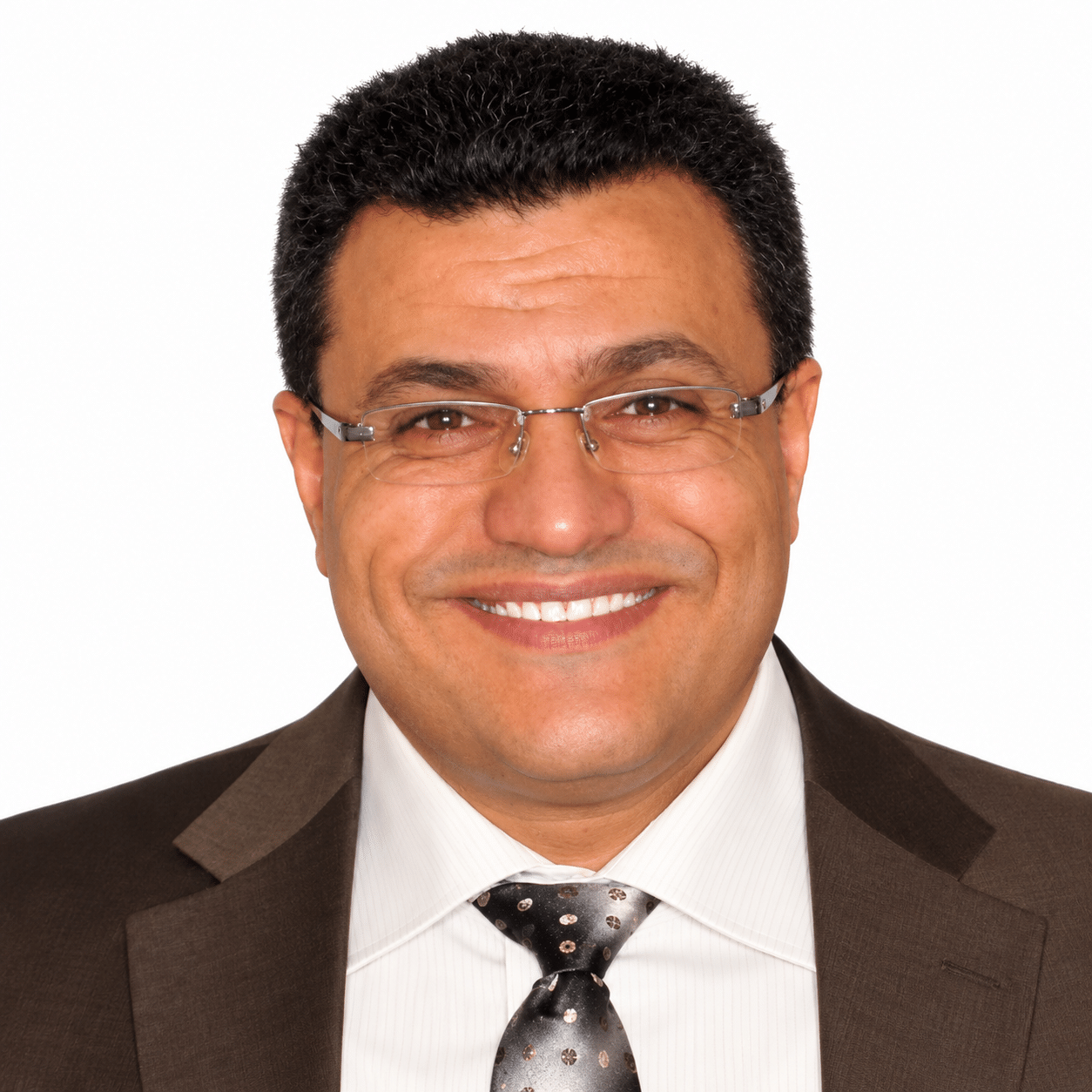
Dr. Eng. Salah Jellali currently holds the position of senior researcher in Water & Environmental Engineering at the Centre for Environmental Studies and Research (CESAR) of Sultan Qaboos University (SQU), Oman. His primary research focus revolves around local management and governance of solid and liquid wastes within the framework of circular economy and sustainability. A key area of his expertise involves the conversion of organic biomasses into biochars and valorization as efficient adsorbents for wastewater treatment and/or as biofertilizers in agriculture. He has supervised several PhD theses and Master students regarding sustainable solid and liquid wastes management and one of his PhD students received the presidential award of best national thesis in 2018. Dr. Jellali has authored over 150 peer-reviewed scientific papers and book chapters and received the SQU’s best researcher award for the period 2020-2022 and 2025.
Recent Advances on Biochars Enrichment with Phopshorus
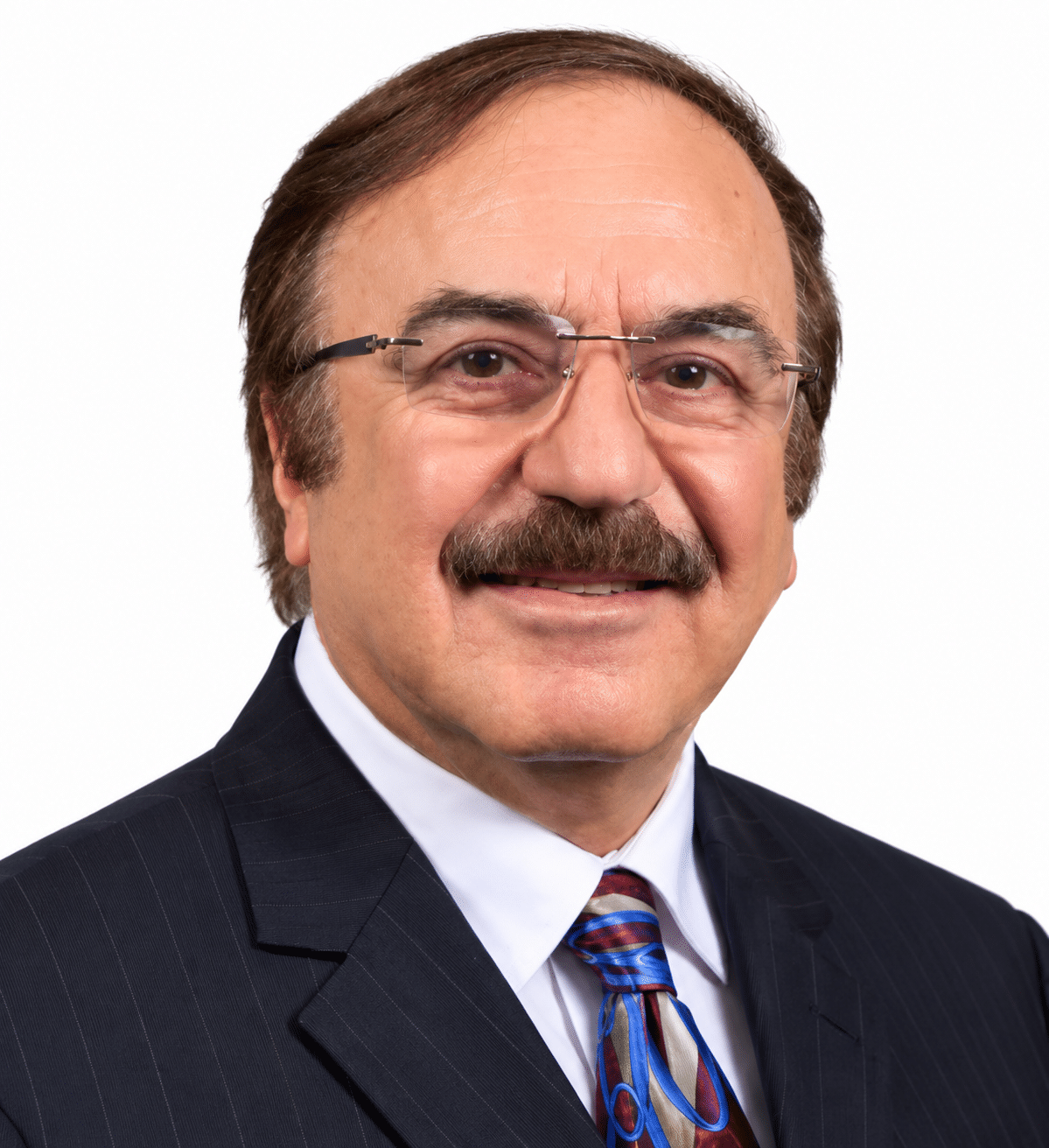
Born and raised in a modest family, Professor Al-Dahhan exhibited exceptional academic prowess from a young age, consistently ranking at the top of his classes and demonstrating an insatiable thirst for learning. His journey in academia began at the University of Baghdad, Iraq, where he graduated as the first-ranked student in the Chemical Engineering Department. The young researcher then moved to Oregon State University, United States, where he worked under the guidance of Dr. Charles Wicks, pursuing a master’s degree that resulted in the development of the Al-Dahhan Cell (1988) for liquid-liquid mass transfer and reaction studies (which was later refined to evolve into the Dow-Al-Dahhan Cell for gas-liquid mass transfer and reaction studies).
Recommended by Professor Levenspiel, Dr. Al-Dahhan went on to pursue his doctoral research under the direction of Professor Michael Dudukovic at the Chemical Reaction Engineering Laboratory at Washington University in St. Louis. This was a major turning point in his career, as he started working on three-phase catalytic reactors, specifically on the hydrodynamics of trickle bed reactors. His work elucidated, among others, the effect of packing fines in trickle bed reactors, the operation of trickle bed reactors under high pressure, and catalytic wetting efficiency. His doctoral work resulted in several seminal papers that are important milestones in the understanding of trickle bed reactors.
Upon completing his Ph.D., Dr. Al-Dahhan had a brief stint in industry at Xytel Corporation and subsequently returned to the Chemical Reaction Engineering Laboratory (CREL) at Washington University in St. Louis, United States, to pursue an academic career. Together with senior colleagues, Drs. Michael Dudukovic and P. A. Ramachandran, Dr. Al-Dahhan embarked on two decades of prolific research in reaction engineering. The Laboratory established itself as a key research center on non-invasive imaging of multiphase reactors, computational fluid modeling of reactors, and scale-up and scale-down of reactors, among others.
Later, Dr. Al-Dahhan moved to the Missouri University of Science and Technology, United States, where he has been since pursuing a distinguished career in research and academics, where he is currently the Curators’ Distinguished Professor of Chemical and Biochemical Engineering and Nuclear Engineering and Radiation Science, as well as the Laufer Endowed Chair in Energy. He has also served as Chair of the Department of Chemical and Biochemical Engineering from January 2009 to June 2019.
Implementation of Artificial Intelligence (AI) in Multiphase Flows and Multiphase Reactors
Dr. Toufik BOUSHAKI is currently Associate Professor at the University of Orleans in the Mechanical Engineering field. His research activity is done in the ICARE laboratory of the CNRS in the combustion area. He received his PhD in Energetics (2007) and DEA (postgraduate degree) in Reacting Flows (2003) from INSA of Rouen in France. Dr. Boushaki obtained his engineering degree (M.Sc.) in Mechanical Engineering from Blida University in Algeria (1999). His research interest has been focused on the turbulent combustion, control of flames, plasma and pollutant emissions. He is a member of the French section of the Combustion Institute.

The Renewable & Sustainable Energies and Green Processes (RSEGP) conference series started in 2015 as an annual national workshop organized at the University of Gabes – Tunisia.
In 2021, the first international conference was launched. After the successes of the first (RSEGP2021), the second (RSEGP2022), the third (RSEGP2023), the fourth (RSEGP2024) and the fifth (RSEGP2025)versions, RSEGP Conference will continue, this year (RSEGP2026), to be a leading international forum with a purpose to provide a good platform for researchers and industry representatives to discuss the latest developments, trends and achievements in renewable energy research and applications, alternative fuels solutions, environmental protection, water treatment technologies and advanced materials for energy application.
It is our happiness to share with you that selected papers from RSEGP2026 will be proposed for possible publications in:

Open Access proceedings in Environment, Energy and Earth Sciences
Visit publication website

We acknowledge the institutions and organizations supporting RSEGP 2026 and contributing to scientific exchange, research collaboration, and sustainable innovation.


For sponsorship inquiries and partnership opportunities, please contact our organizing committee.